Poison Oak Removal in Philadelphia, PA
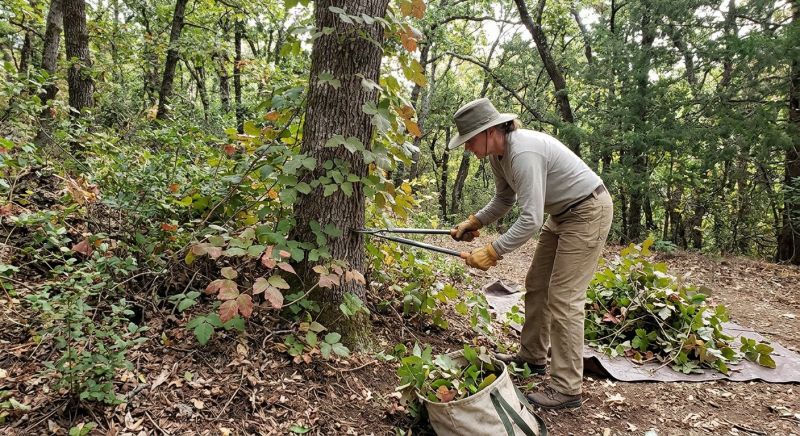
Poison oak removal services focus on safely eliminating this potentially harmful plant from residential properties. These services typically cover a variety of projects, including clearing overgrown areas, removing poison oak from trees or shrubs, and restoring yard safety for families and pets. Property owners often seek this service when they notice poison oak spreading across their landscape, especially in areas where children or animals play, or when preparing outdoor spaces for gardening or recreational use.
Before requesting poison oak removal, property owners usually want to understand the scope of the work, including the extent of the plant growth and the methods used for removal. It’s important to consider whether the removal process involves cutting, digging, or chemical treatments, and to ask about the proper disposal of the plants to prevent further spread. Clarifying these details can help ensure the project is handled effectively and safely, reducing the risk of skin irritation or plant regrowth.
Many property owners in Philadelphia, PA look into Poison Oak Removal for repairs, replacements, upgrades, and appearance-related improvements.
Understanding Poison Oak Risks
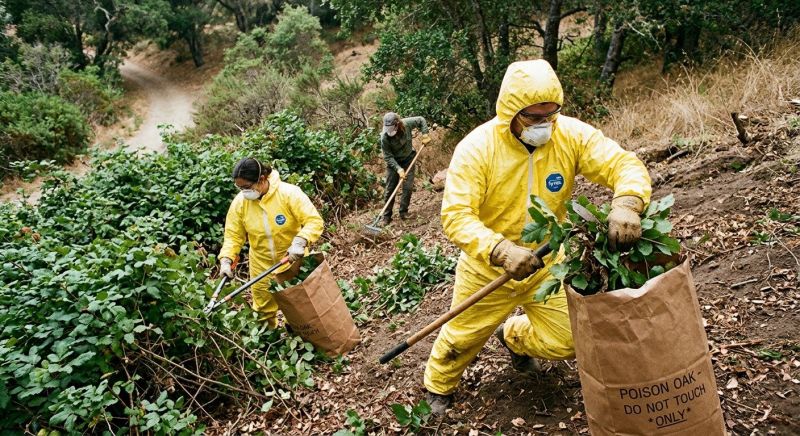
Poison oak can cause skin irritation and allergic reactions if not properly managed.
Common Areas For Poison Oak Growth
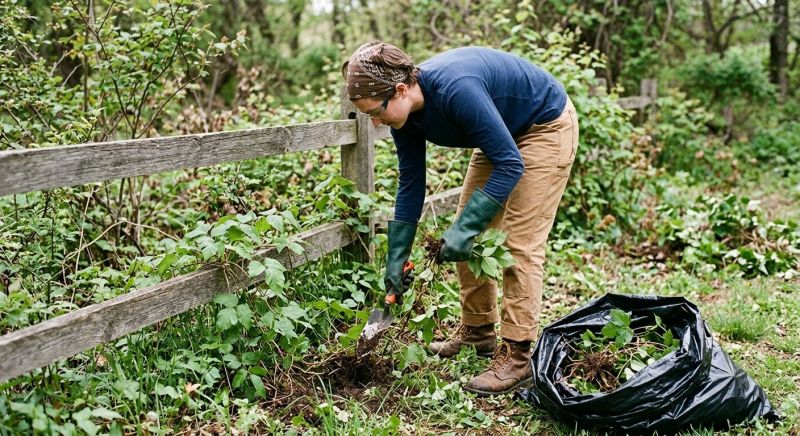
It often grows along wooded edges, fences, and neglected patches in philadelphia gardens and yards.
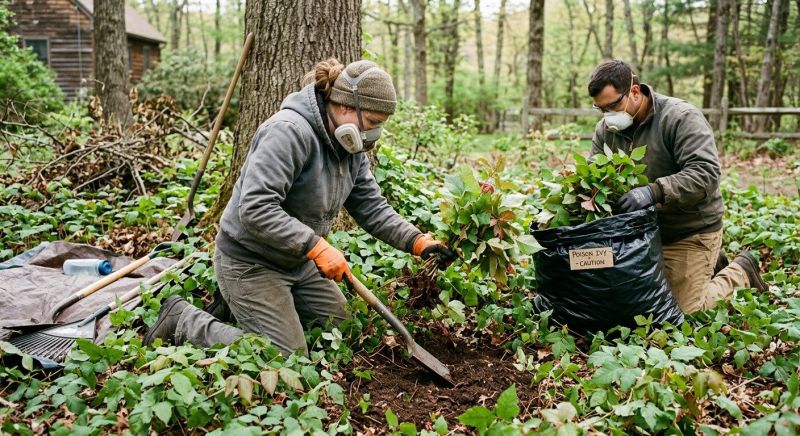
Effective Removal Techniques
Proper removal involves careful plant identification and safe clearing to prevent exposure.
Poison Oak Removal in Philadelphia, PA

Poison oak removal services focus on safely eliminating this potentially harmful plant from residential properties. These services typically cover a variety of projects, including clearing overgrown areas, removing poison oak from trees or shrubs, and restoring yard safety for families and pets. Property owners often seek this service when they notice poison oak spreading across their landscape, especially in areas where children or animals play, or when preparing outdoor spaces for gardening or recreational use.
Before requesting poison oak removal, property owners usually want to understand the scope of the work, including the extent of the plant growth and the methods used for removal. It’s important to consider whether the removal process involves cutting, digging, or chemical treatments, and to ask about the proper disposal of the plants to prevent further spread. Clarifying these details can help ensure the project is handled effectively and safely, reducing the risk of skin irritation or plant regrowth.
Many property owners in Philadelphia, PA look into Poison Oak Removal for repairs, replacements, upgrades, and appearance-related improvements.
Common Poison Oak Removal Jobs
Poison Oak Removal - Safely eliminates poison oak from yards, trails, and landscape areas.
Poison Oak Clearing - Removes invasive plants to improve property safety and appearance.
Poison Oak Control - Prevents future growth with targeted removal and management strategies.
Poison Oak Eradication - Completely removes poison oak to reduce health risks for residents.
Poison Oak Cleanup - Cleans up debris and roots after removal to maintain a tidy landscape.
Poison Oak Management - Implements ongoing strategies to keep poison oak from returning.
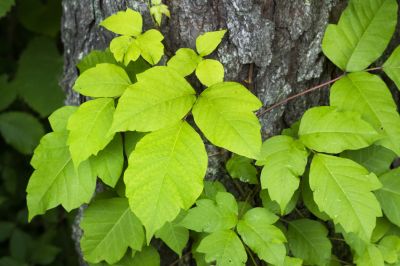
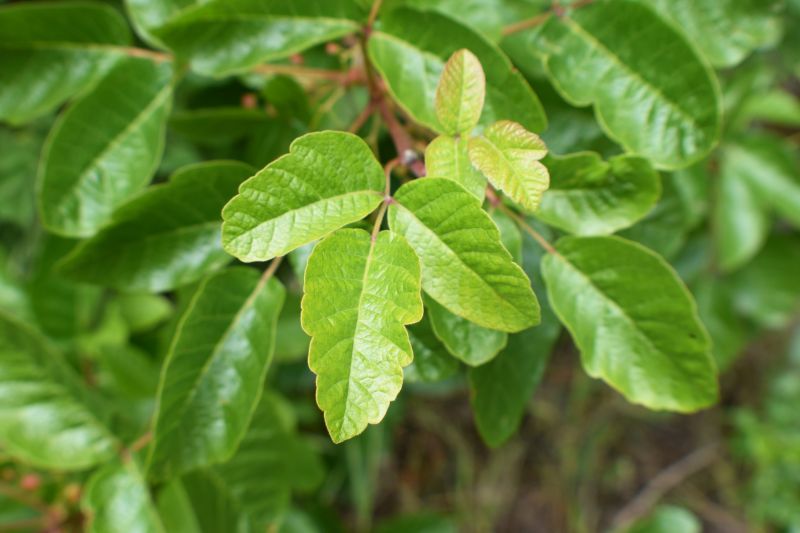
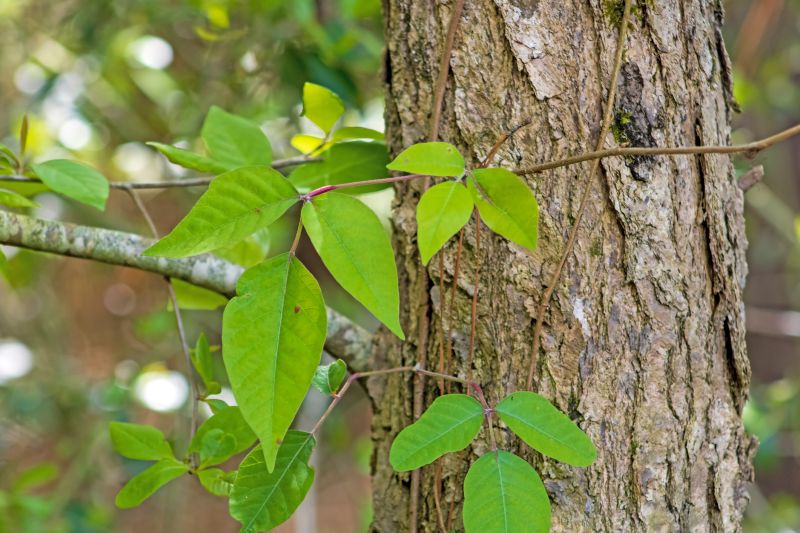
Poison Oak Removal Questions
What is poison oak removal? Poison oak removal involves safely eliminating the plant to prevent skin irritation and protect property health.
When should poison oak be removed? Removal is recommended when poison oak is in high-traffic areas or near children and pets to minimize contact risk.
Does poison oak removal require special equipment? Yes, specialized tools and protective gear are used to safely remove and dispose of the plants.
Is poison oak removal suitable for residential properties? Yes, it is commonly requested for yards, gardens, and outdoor spaces to maintain safety and aesthetics.
Request Poison Oak Removal in Philadelphia, PA
Use the quote form on this page to share the basics of your project and request more information for the type of work you need.