Poison Oak Removal in Burlington County, NJ
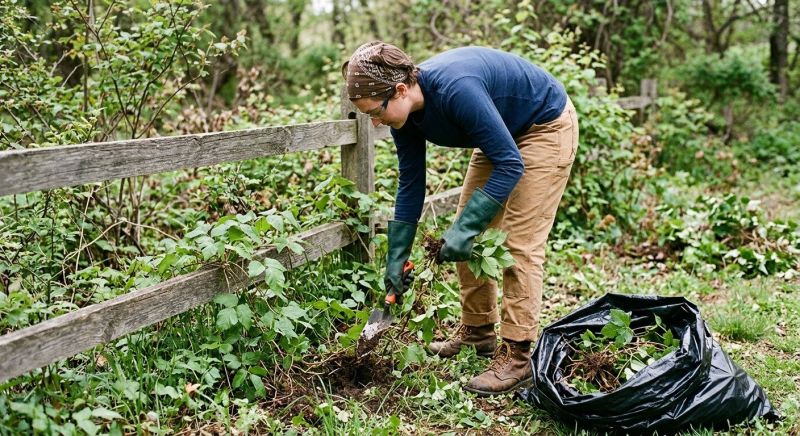
Poison oak removal services focus on safely eliminating this invasive plant from residential properties, particularly in areas with dense shrubbery, wooded sections, or landscaped yards. These services typically involve identifying poison oak growth, carefully removing or treating the plants, and ensuring that the affected areas are cleared to prevent future growth. Property owners often request this service when poison oak poses a risk of skin irritation or allergic reactions, especially in outdoor spaces used for recreation, gardening, or relaxation.
Before requesting poison oak removal, property owners usually want to understand the scope of the project, including how extensive the growth is and whether the removal process will involve chemical treatments or physical removal. It is also helpful to know if the service includes disposal of the plants and any follow-up measures to prevent regrowth. Clarifying these details can ensure the removal process aligns with safety preferences and property maintenance plans.
Many property owners in Burlington County, NJ look into Poison Oak Removal for repairs, replacements, upgrades, and appearance-related improvements.
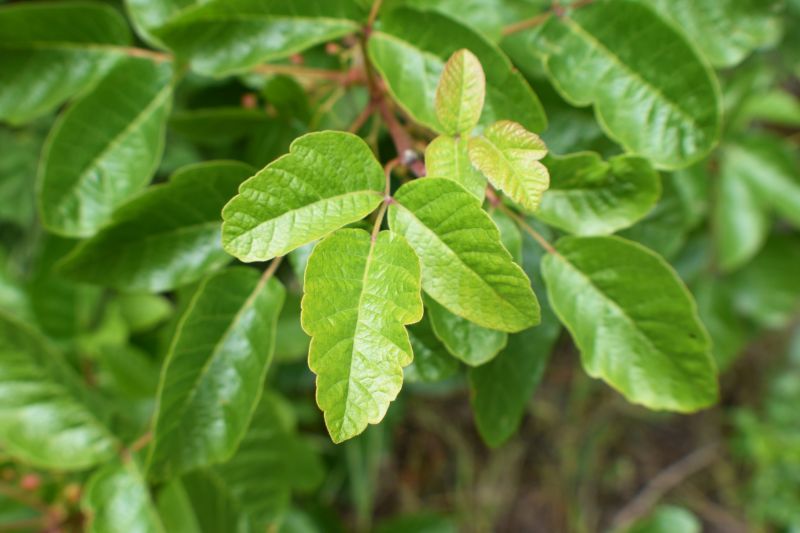
Identifying Poison Oak
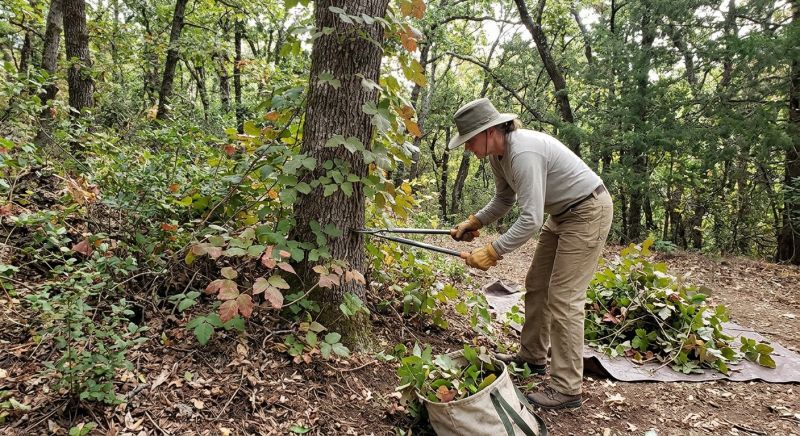
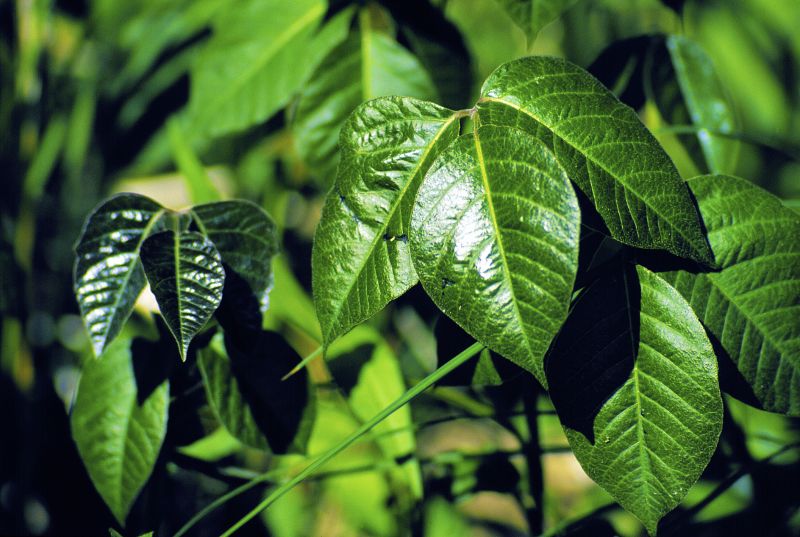
Understanding how to recognize poison oak helps protect your family and pets.
Hazardous Plant Removal
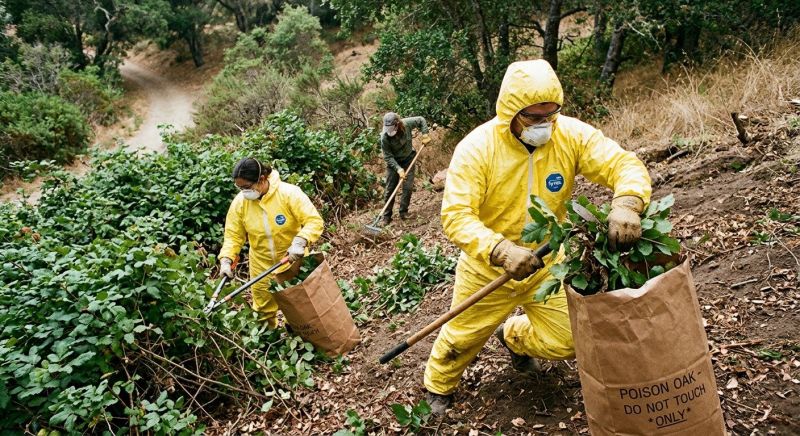
Removing poison oak safely can prevent skin irritation and allergic reactions on residential properties.
Property Maintenance Tips
Regular clearing of poison oak in burlington county yards reduces the risk of accidental contact and exposure.
Poison Oak Removal in Burlington County, NJ
Poison oak removal services focus on safely eliminating this invasive plant from residential properties, particularly in areas with dense shrubbery, wooded sections, or landscaped yards. These services typically involve identifying poison oak growth, carefully removing or treating the plants, and ensuring that the affected areas are cleared to prevent future growth. Property owners often request this service when poison oak poses a risk of skin irritation or allergic reactions, especially in outdoor spaces used for recreation, gardening, or relaxation.
Before requesting poison oak removal, property owners usually want to understand the scope of the project, including how extensive the growth is and whether the removal process will involve chemical treatments or physical removal. It is also helpful to know if the service includes disposal of the plants and any follow-up measures to prevent regrowth. Clarifying these details can ensure the removal process aligns with safety preferences and property maintenance plans.
Many property owners in Burlington County, NJ look into Poison Oak Removal for repairs, replacements, upgrades, and appearance-related improvements.
Common Poison Oak Removal Jobs
Poison Oak Removal - professional clearing of poison oak from yards and landscapes.
Yard Clearing - removal of poison oak to create safe outdoor spaces.
Landscape Maintenance - ongoing removal of poison oak to prevent regrowth.
Property Cleanup - thorough removal of poison oak from residential properties.
Vegetation Control - targeted removal of poison oak to protect plants and pets.
Site Preparation - clearing poison oak before construction or landscaping projects.
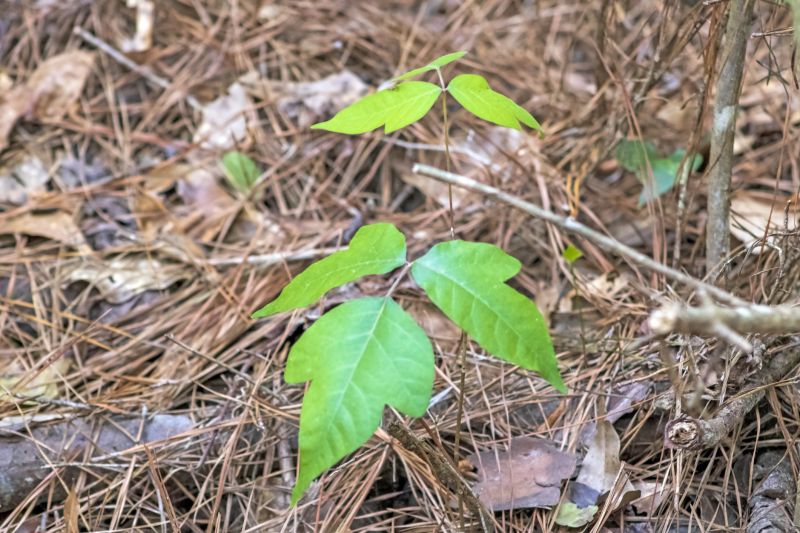
Poison Oak Removal Questions
What is poison oak removal? Poison oak removal involves safely eliminating the plant from properties to reduce exposure risks and prevent skin irritation.
When should poison oak be removed? Removal is recommended when poison oak is identified in high-traffic areas or near recreational spaces to ensure safety.
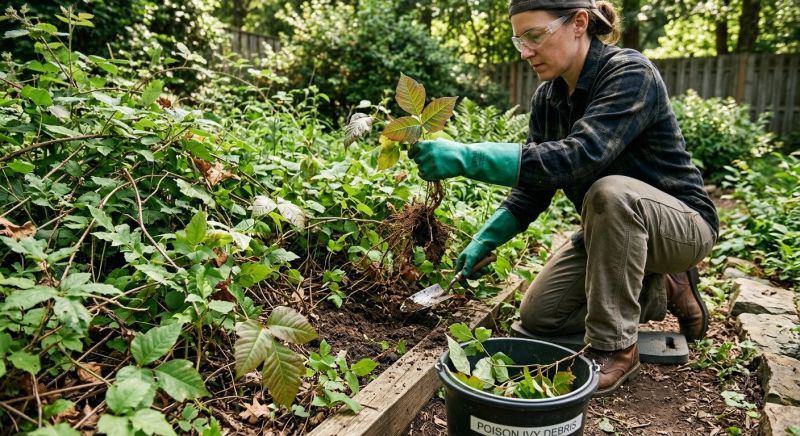
What methods are used for poison oak removal? Methods typically include manual removal, cutting, and disposal of the plant, ensuring roots are fully eradicated.
Is professional poison oak removal necessary? Yes, professional removal ensures safe and effective elimination, reducing the risk of skin contact and plant regrowth.
Request Poison Oak Removal in Burlington County, NJ
Use the quote form on this page to share the basics of your project and request more information for the type of work you need.